
Development Report: THE PREY
UNITY | 7 DAYS development | PC | ITCH.IO | MARCH 2024
About: Templar’s Valor is a rogue-like turn Based action-adventure game that is available on PC for “7DRL Challenge” (a rogue-like game jam). It takes place in the medieval time period in a fictional empire known as Zelieden. Players can choose between 2 out of 4 classes to play within the game. Players will embark on a small journey to rescue the King’s family as they’re being held as prisoners of war by the dead ones.
- Genre: Isometric 3D, Procedural Generation, Dungeon Crawler, Rougelike
- Engine: Unity
- Development Period: March 2024
- Role: Technical Producer / Technical Artist / Gameplay Developer
- Team Size: 8
- Platform: PC / Itch.io
- Status: Released
- Planning: Miro
- Tools: Unity, Visual Studio, Github Desktop, Blender 3D
Table of Contents
1.0 – The Seven Day Rush
Summary: The 7DRL Challenge was our first challenge as a newly formed three-person team, following our participation in the Themed Horror Jam with State of Sarah. Two members from the previous jam joined me for this challenge, and we decided to expand the team before development began.
During the early stages of the jam, we recruited a 2D Artist and a Sound Designer to strengthen the team in areas where we had limited experience. As development progressed, we identified another critical requirement: procedural map generation. Since I was still developing my Unity and programming skills at the time, we decided to bring in an experienced developer who had around 15 years of Unity development experience to help us implement the procedural generation system.
My role remained focused on production, including managing the team, tracking tasks, controlling the scope, and keeping development aligned with the seven-day deadline. At the same time, I was actively working on improving my own technical skills. I followed a Unity development course during the jam to learn and implement the core gameplay mechanics myself, balancing my responsibilities as a Producer with hands-on development.
As the project progressed, we also realised that we needed a 3D Artist, but with limited time remaining, we were unable to recruit one. Instead, I stepped in and used a 3D dungeon environment I had created before participating in game jams as part of my Blender and 3D modelling practice. I expanded the original asset with additional props and furniture and adapted it for use as the game’s environment.
Creating 3D characters, however, remained a challenge for the entire team. Fortunately, I had previously invested in the Toon RTS Units and Toon RTS Undead asset packs, which provided us with suitable character models and helped us overcome another major production limitation.
Despite the ambitious scope and the challenges we encountered throughout the seven-day development cycle, our perseverance and willingness to adapt allowed us to complete the project and successfully submit it before the deadline. This challenge became an important early experience for me in balancing production responsibilities with hands-on development while adapting the team’s structure and resources to meet the needs of the project.
1.1 – FIRST DAY – Brainstorming & Foundations
For this challenge, we wanted to create something ambitious that would push our limits and test how effectively we could perform under pressure. We were confident that we could deliver a project within seven days; the greater challenge was determining how to translate our ambitions into something achievable within such a tight deadline.
Our first step was to research previous 7DRL submissions and benchmark successful entries to understand what approaches and design choices were commonly used. We noticed that many submissions relied on 2D, ASCII-art, or top-down presentations. Rather than following the established approach, we decided to pursue something visually and mechanically different. We took inspiration from the tactical gameplay of XCOM and the art style of Warcraft III, ultimately settling on the concept of a turn-based team tactics game.
Once we had established the core concept, we immediately began brainstorming the gameplay mechanics and mapping our ideas to determine the project’s scope and limitations. Given the seven-day development cycle, we focused on identifying the essential systems and defining what could realistically be implemented within the available time.
Once the game design and scope were established, we moved directly into development. For this challenge, my responsibilities covered several areas: Technical Producer, Gameplay and AI Developer, Animator, and Environment Artist. Balancing these responsibilities alongside the team’s tight deadline required me to constantly prioritise between production needs and hands-on development.
1.2 – SECOND DAY – Establishing Basic Systems
On the second day, alongside my responsibilities as Producer, I began working on the core gameplay systems and AI while following a development course to strengthen my Unity and programming skills. I worked extensively on the gameplay foundations, including camera movement and the character controller. By the end of the day, I had implemented a character controller that could work with the game’s skill system and had started developing the player–AI interactions and turn-based combat system.
While I was working on the gameplay systems, our supporting programmer began implementing the procedural map generation system. At the same time, I prioritised establishing the necessary foundations for the other departments so they could work in parallel. I prepared the framework required for our Sound Designer to begin developing character sound effects, while the Level Designer started planning and prototyping level prefabs. Our 2D Artist also began collecting visual references for the game’s icons and UI.
By the end of the second day, we had achieved our first playable combat scenario, with a player character and a single enemy able to interact within the emerging turn-based system. This gave us an important foundation to build upon during the remaining days of the challenge.
1.3 – THIRD DAY – System Extentions & FIRST CHALLENGE
On the third day, alongside my Producer responsibilities, I focused on finalising the core gameplay systems and introducing class-specific abilities for the playable characters. The skills were divided into two categories: common skills, available to all characters, and class-based skills that reflected each character’s role.
Common skills included movement, dash, and basic attacks, while each class had a unique ability set. The Priest had a healing ability, the Paladin could stun enemies, the Mage could cast Fireball, and the Ranger had a ranged attack. With these systems in place, we were able to expand the playable characters and begin playtesting the different classes within the game.
Although development was progressing smoothly, we encountered an unexpected challenge when our supporting programmer began struggling with the procedural generation system. Since procedural map generation was a critical component of the game’s design, we recognised that we needed additional expertise rather than risking the project by continuing without sufficient technical support.
As a team, we decided to recruit an experienced Unity Developer to assist with the system. Our Level Designer began searching for a suitable candidate while the rest of the team continued working on the existing gameplay systems and art, allowing development to continue in parallel while we addressed the technical gap.
1.4 – FOURTH DAY – Critical Turnpoint
On the fourth day, the team’s workload began to increase significantly. Alongside my Producer responsibilities of communicating with the different departments and tracking progress, I was heavily focused on developing the AI systems and implementing different AI classes and behaviours.
While I was working on the AI, another production challenge emerged: creating the 3D assets required for the procedural map generation. To properly build and test the system, we needed a modular environment that could be assembled procedurally. This was where my previous Blender experience became particularly useful.
Before participating in game jams, I had been practising 3D modelling in Blender to improve my environment design skills. During that time, I had created a modular dungeon asset pack containing walls, doorways, props, and torches. Although the existing assets were sufficient to begin building the initial environments, the pack lacked the variety of props and decorative elements needed to create more detailed and varied maps.
Rather than starting from scratch or relying on external assets, I worked on the asset pack alongside my other responsibilities, adding additional props and optimising the existing assets around the team’s requirements. This allowed me to address an emerging production need while continuing my work on the AI systems.
Another important development that day was the arrival of the experienced Unity Developer our Level Designer had recruited. Once he joined the team, he immediately began working on the procedural map generation system, allowing us to make progress on one of the project’s most technically challenging systems while the rest of the team continued developing in parallel.
1.5 – FIFTH & SIXTH DAY – Finalisation
The fifth and sixth days followed a similar development flow, with me continuing to balance my Producer responsibilities with hands-on development. I remained focused on gameplay systems and AI while also working on the environmental 3D assets required for the project.
With the newly recruited developer making significant progress on the procedural map generation system, the team was able to move forward much more quickly. This allowed us to integrate and test more of the game’s systems and make substantial progress toward a complete playable build.
These were also the busiest and most demanding days of the challenge. With the submission deadline approaching, the entire team was working at full capacity to finalise the remaining systems, assets, and content. At this stage, our focus shifted increasingly toward completing the essential features, integrating the different departments’ work, and preparing the project for its final submission.
1.6 – SEVENTH DAY – Submission
As the final day arrived, we focused on polishing the game wherever time allowed and conducted one final playtest before submission. Once the final playtest confirmed that the core experience was functional, we prepared the build and submitted the game.
Although the project still contained some flaws and bugs, the game attracted a noticeable amount of attention after submission. More importantly, we were proud of what we had achieved within such a demanding seven-day development cycle. We celebrated the submission as a team, knowing that we had taken on an ambitious concept, adapted to unexpected challenges, and successfully delivered a playable project within the deadline.
2.0 – Reflection & Outcome
The 7DRL Challenge was an important milestone in my development as both a game developer and a Technical Producer. We deliberately chose an ambitious concept to test our ability to work under pressure, and the experience showed me that delivering a project within a short development cycle is not only about having the technical skills to build it, but also about having the right people, resources, and production structure in place.
One of the biggest lessons I took from the challenge was the importance of identifying capability gaps early and responding to them quickly. As new requirements emerged, we recruited additional team members where possible and adapted when recruitment was no longer practical. When we needed 3D environment assets, I was able to use and expand work I had previously created while learning Blender. When procedural generation became a significant technical challenge, we brought an experienced Unity Developer into the team. These situations taught me to look beyond the original team structure and consider how available skills, resources, and external support could be used to keep development moving.
The challenge also significantly strengthened my technical skills. At the time, I was still developing my Unity and programming abilities, so I deliberately used the project as an opportunity to learn while contributing to the development. I worked on gameplay systems, character controllers, class abilities, turn-based mechanics, AI, and environmental assets while continuing to manage the project. This experience gave me greater confidence in taking on unfamiliar technical problems and learning what was necessary to solve them rather than avoiding areas outside my existing expertise.
From a production perspective, the challenge taught me how important parallel development is within a short timeframe. Rather than allowing departments to work sequentially, I focused on establishing the foundations each team member needed to begin their work as early as possible. This helped the team continue progressing across programming, level design, sound, UI, and art simultaneously. I also became more comfortable making decisions about priorities and recognising when a problem required additional resources rather than simply more effort.
Most importantly, the 7DRL Challenge helped me become more adaptable. I entered the challenge primarily as a Producer who was still developing my technical abilities, but I finished it having taken on responsibilities across production, programming, AI, animation, and environment art. The experience reinforced that a Technical Producer in a small development team needs to be able to understand the needs of different disciplines, communicate between them, and step in where necessary to remove blockers.
Successfully completing the challenge gave me greater confidence in my ability to operate under pressure while balancing multiple responsibilities. It also established an approach that I carried into later projects: set clear priorities, identify risks early, use available resources intelligently, and remain willing to adapt when the original plan no longer matches the needs of the project.
GALLERY
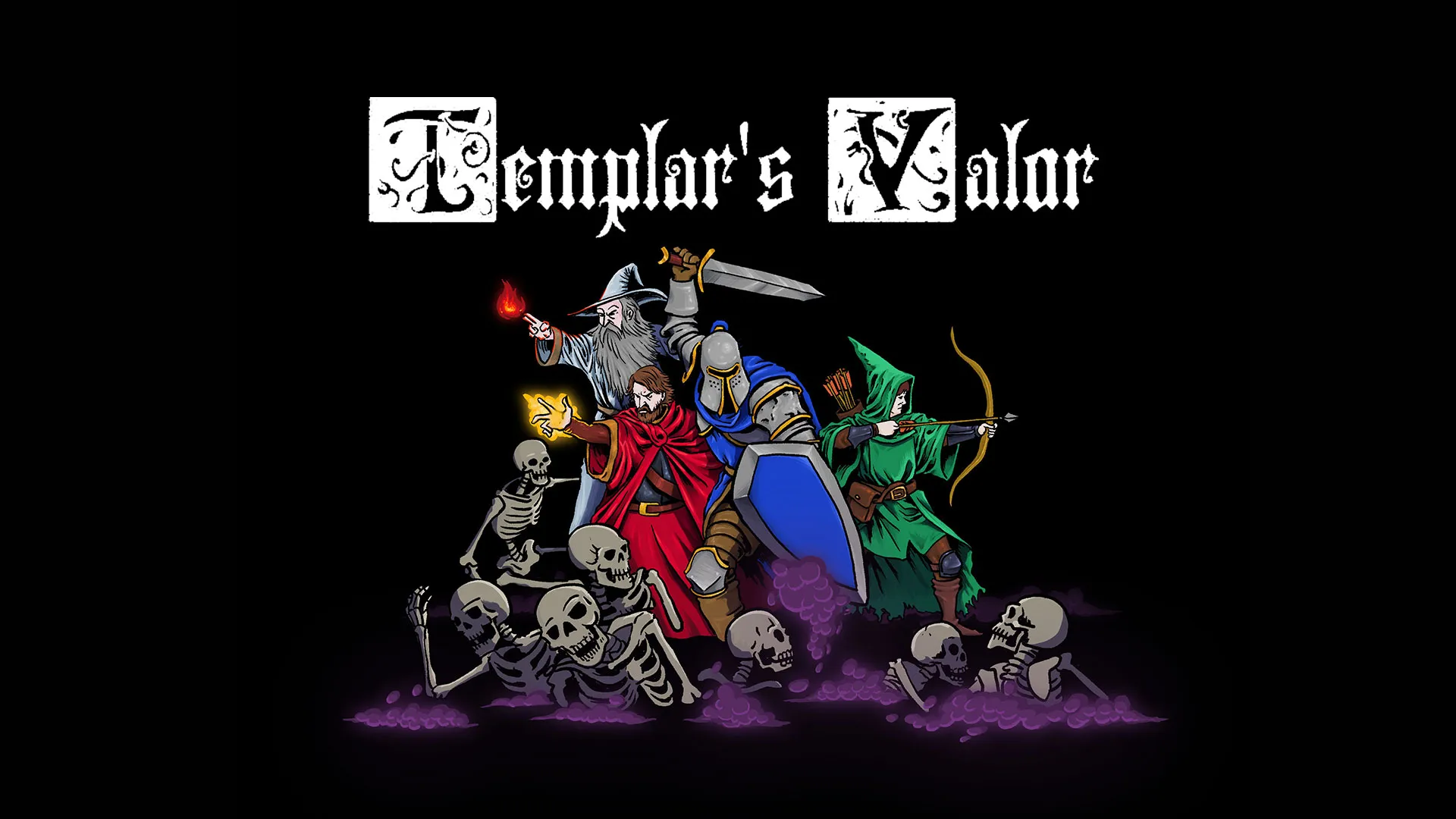
CAPSULE ART: Created by Aleksey Nastov
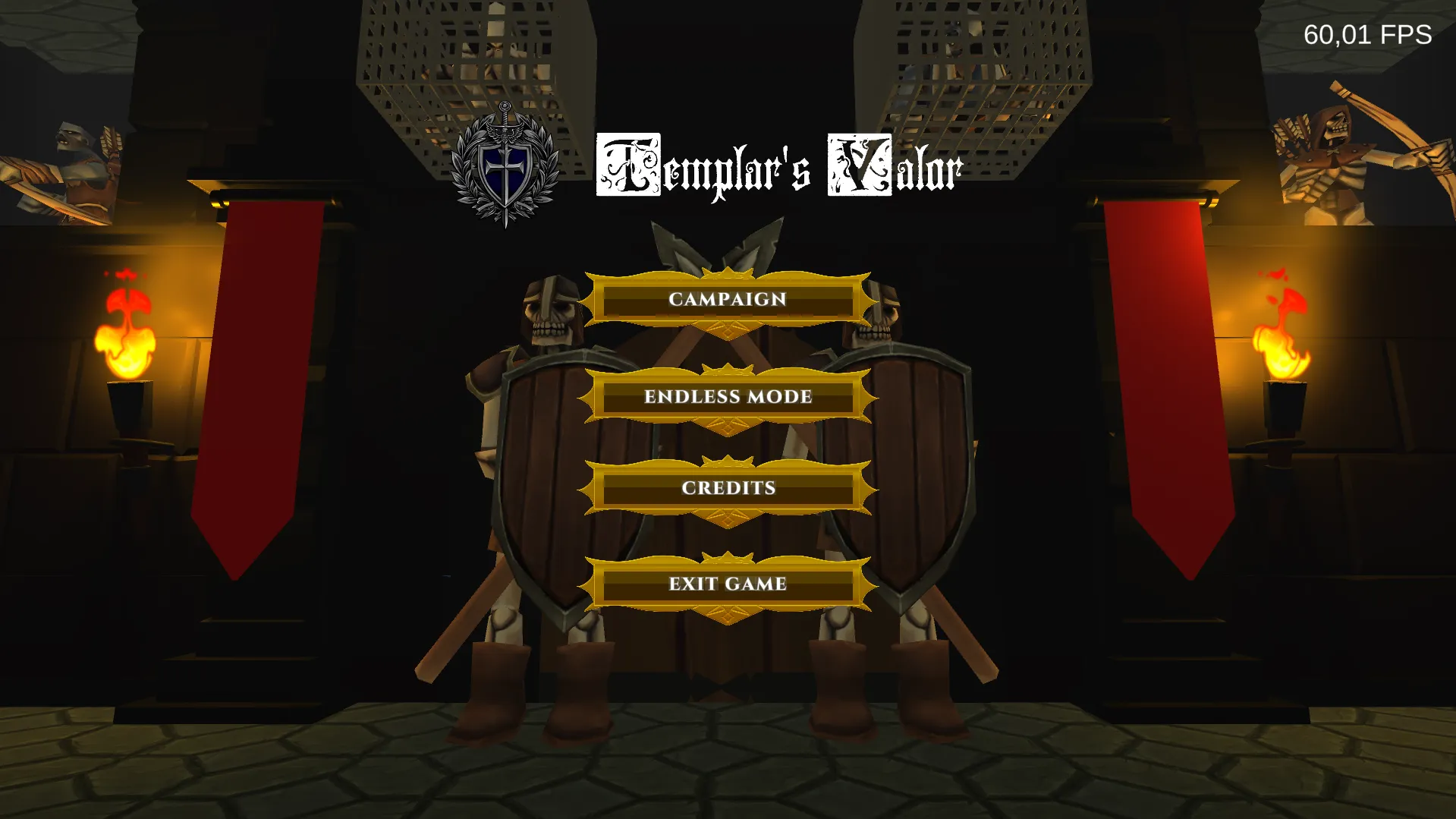
SCREENSHOT: In-game visuals
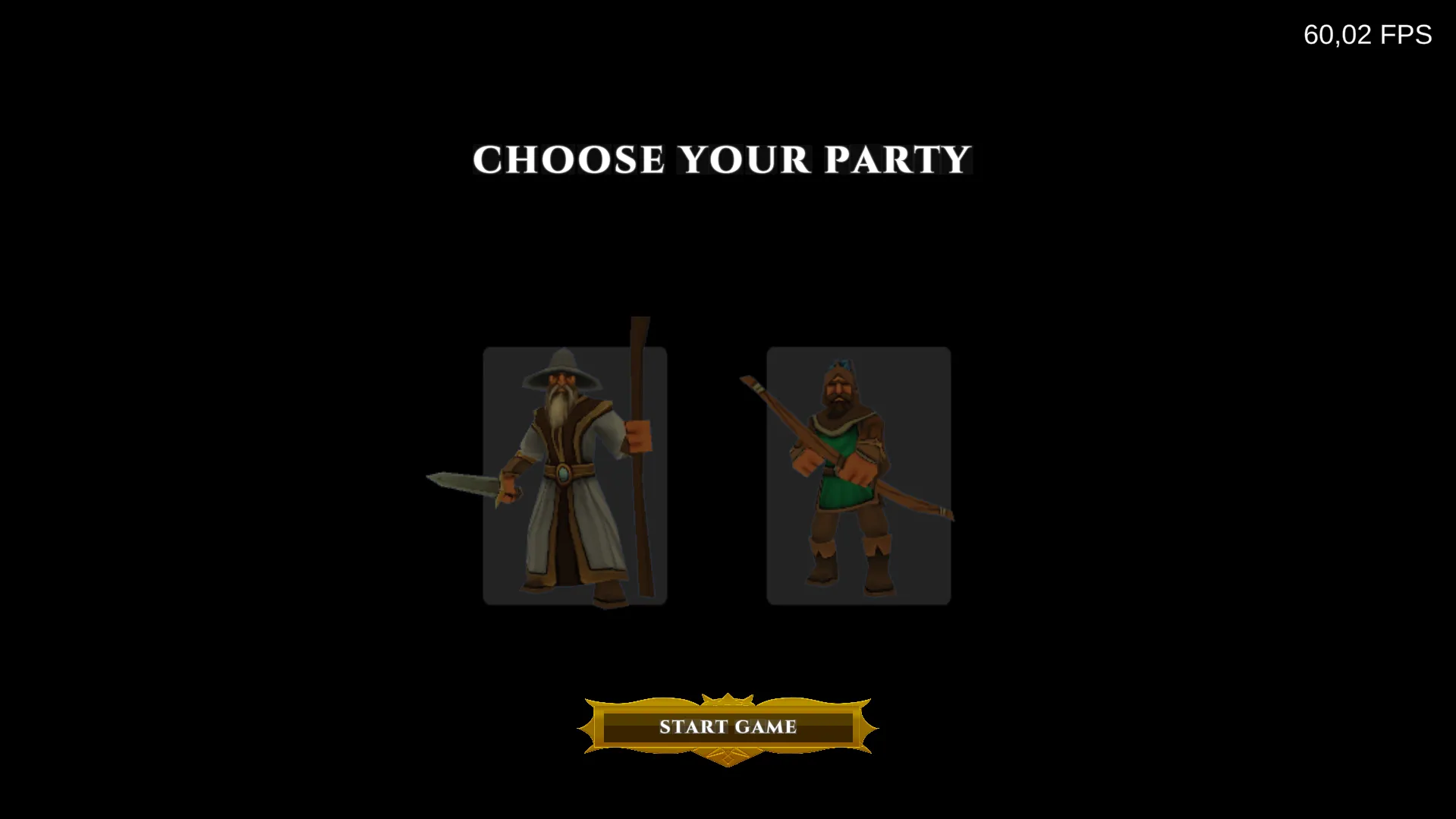
SCREENSHOT: In-game visuals
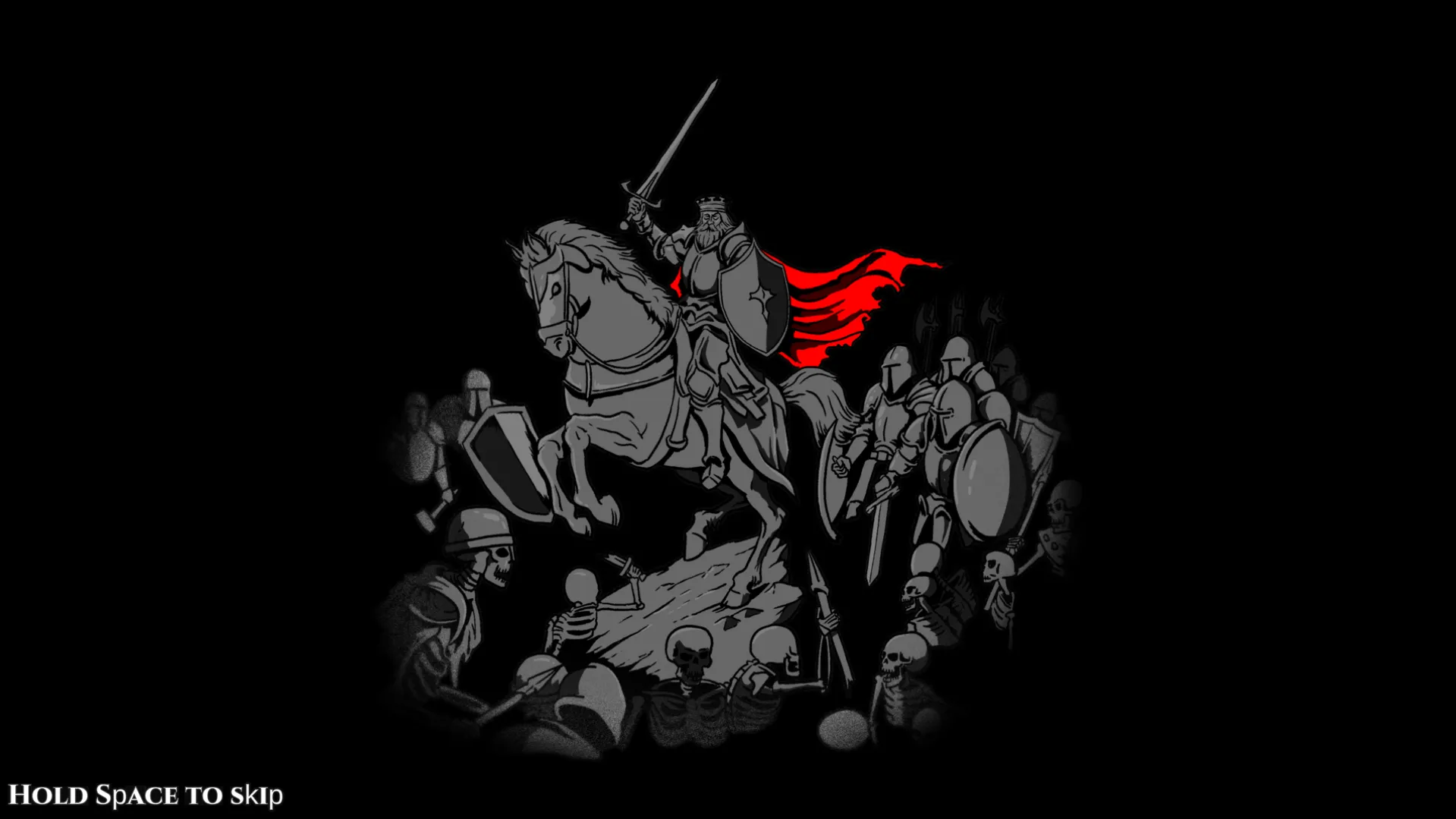
SCREENSHOT: In-game visuals
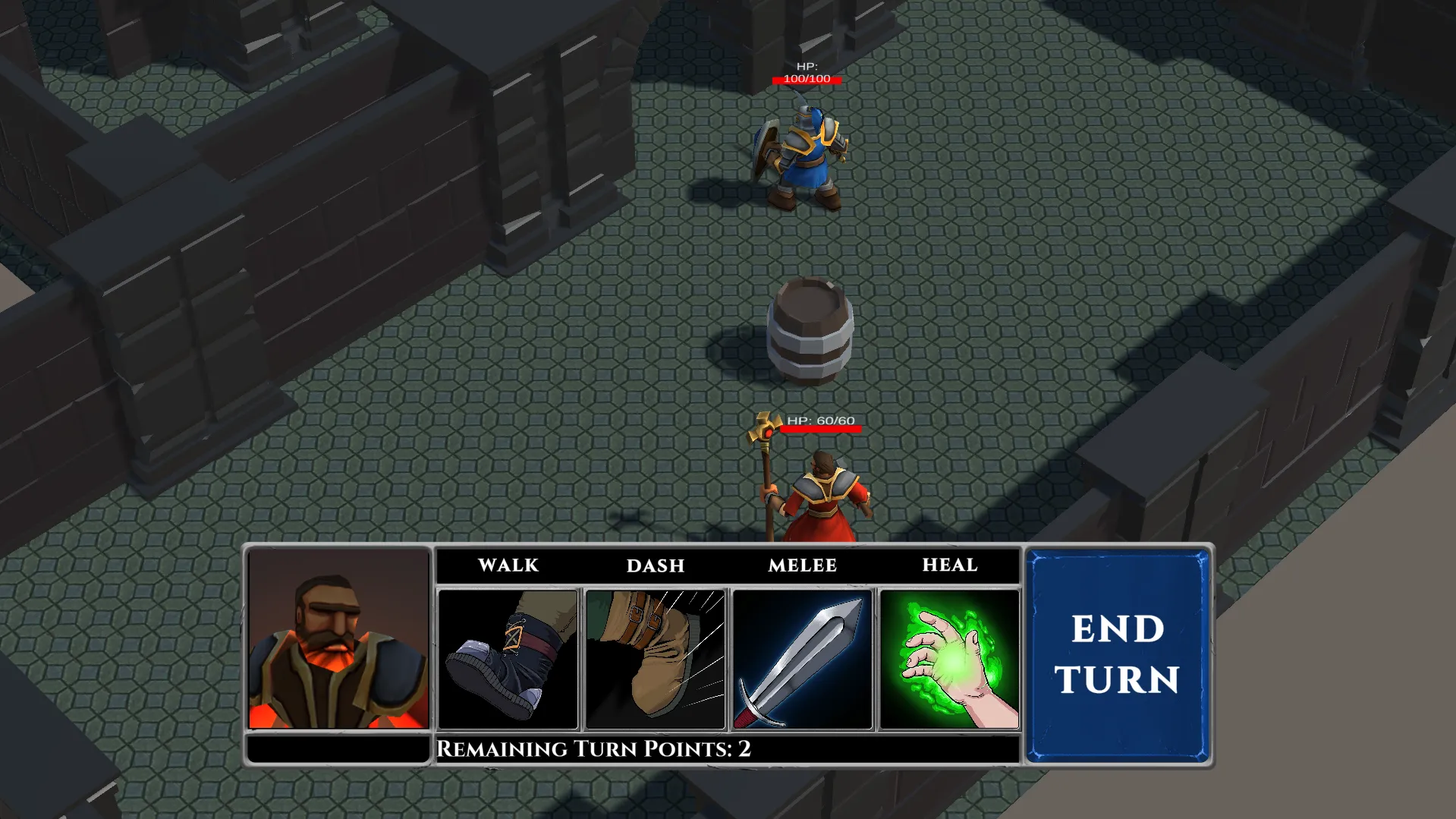
SCREENSHOT: In-game visuals
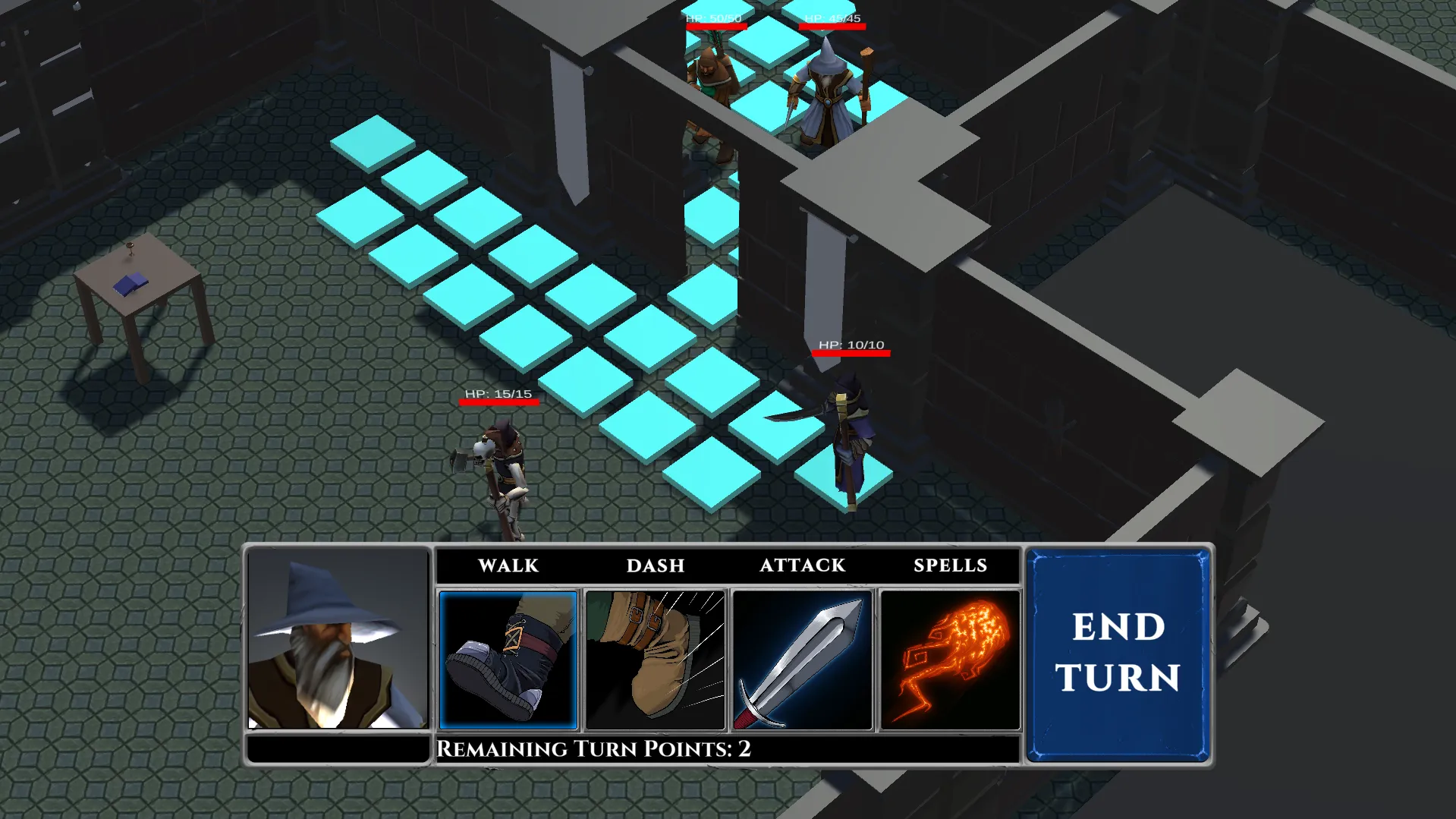
SCREENSHOT: In-game visuals
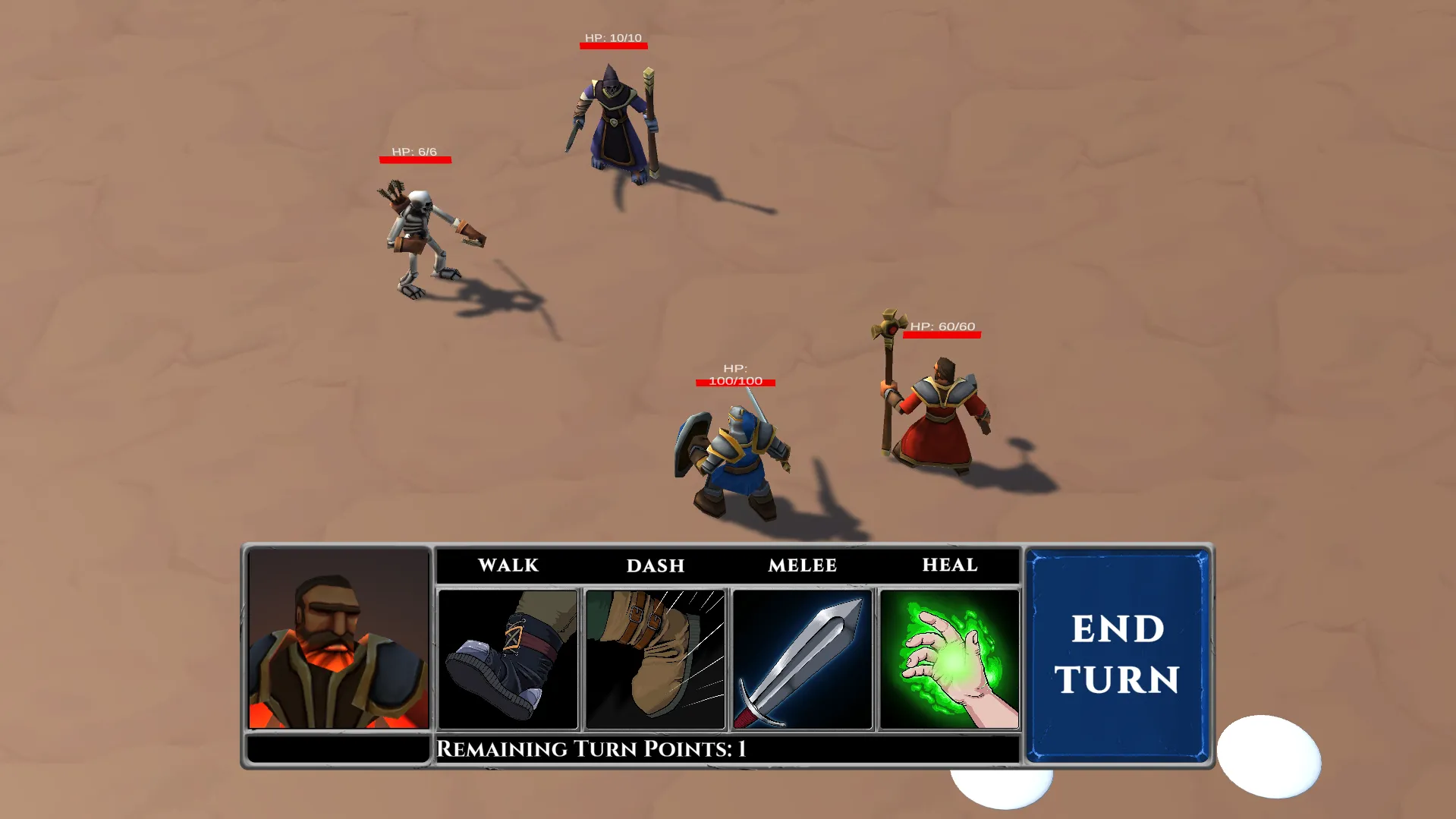
SCREENSHOT: In-game visuals
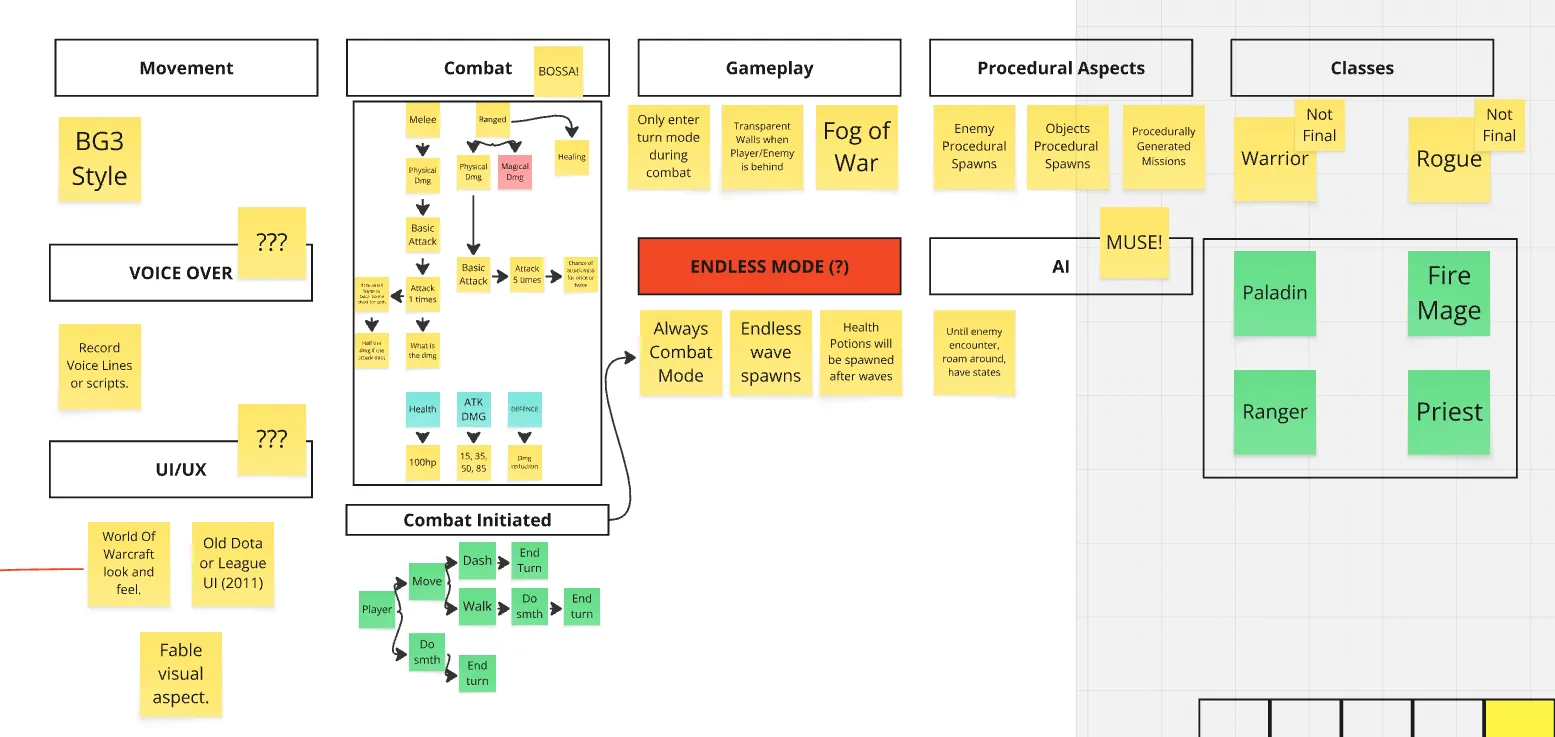
IDEATING: Notes and ideas to shape the gameplay
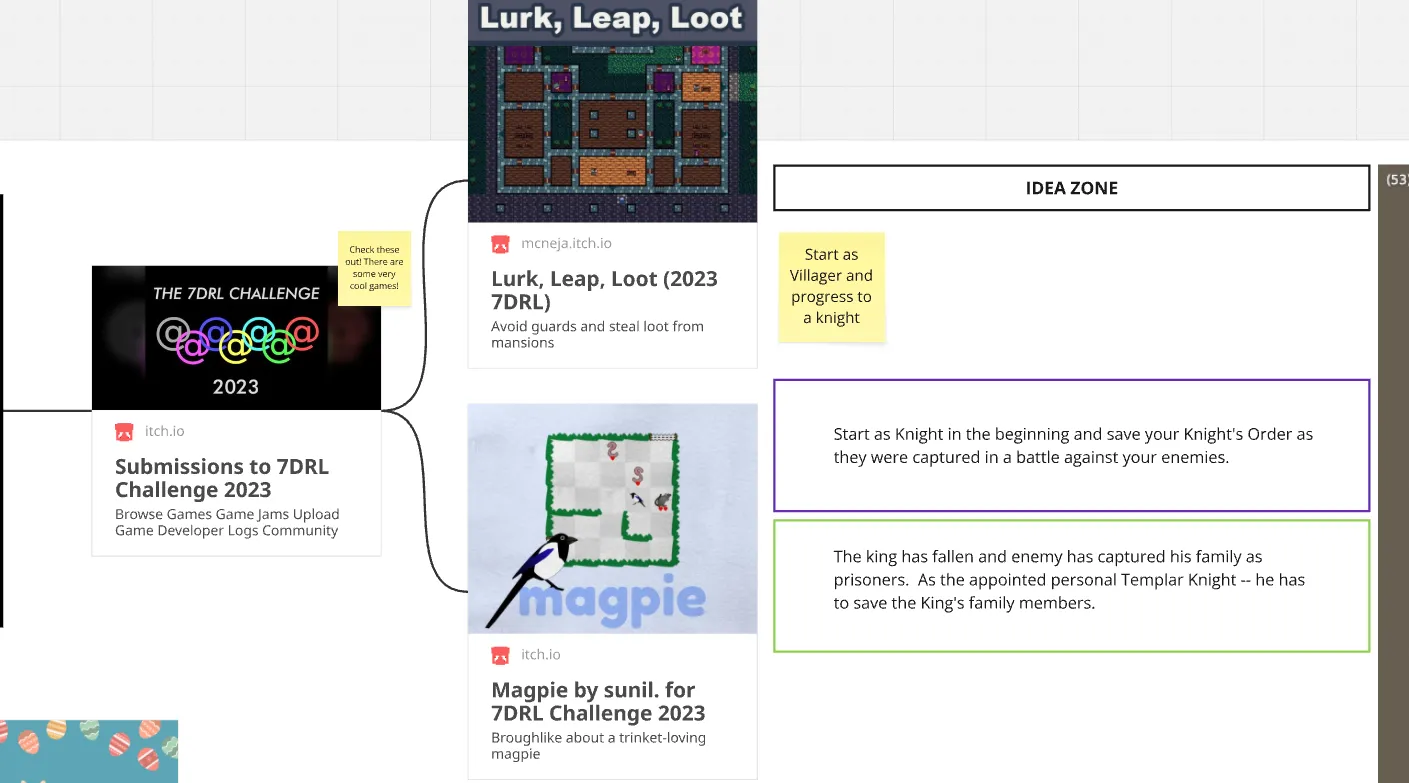
COMPETITIVE BENCHMARKING: We took some examples from previous submissions to understand what is expected and what we can deliver
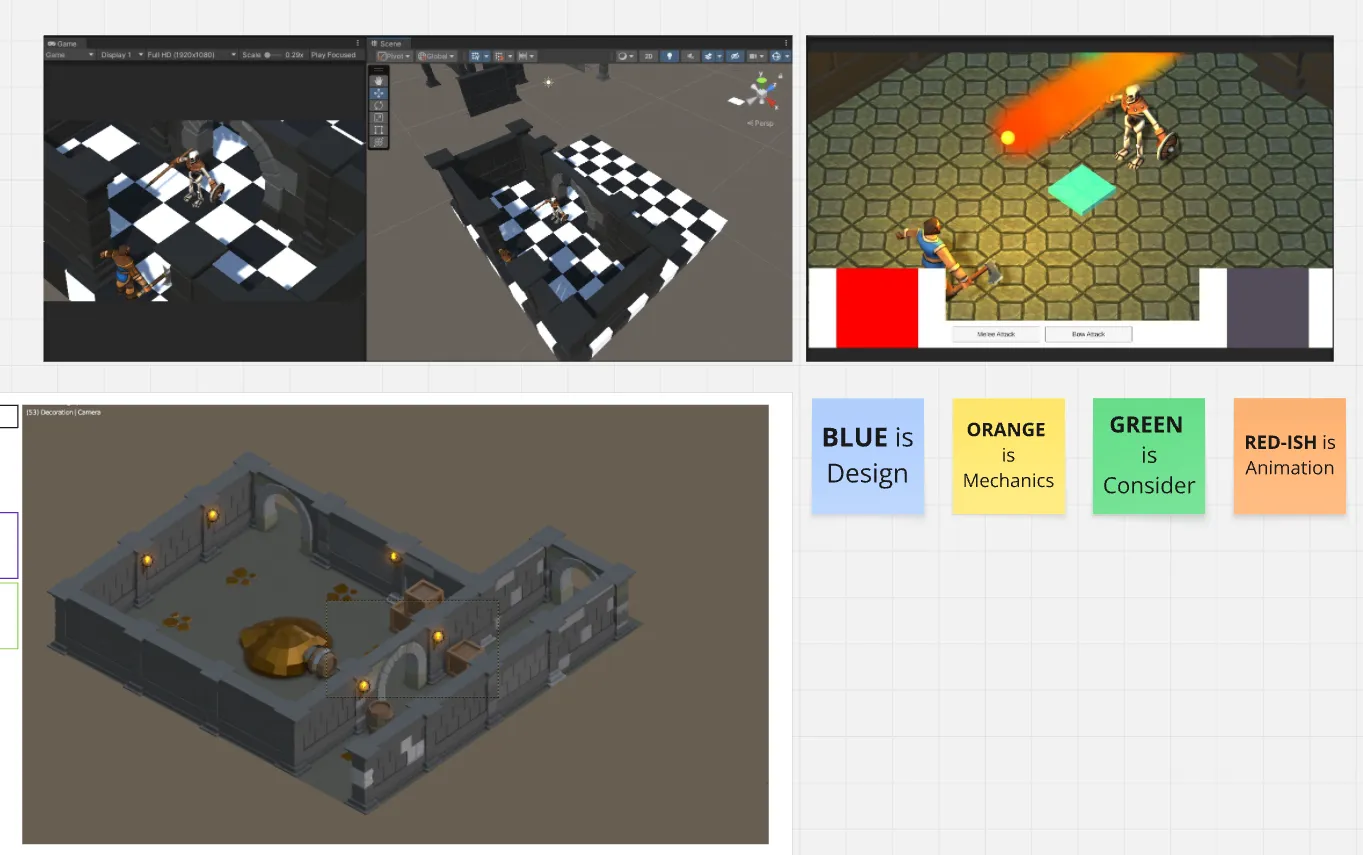
GAMEPLAY & 3D ENVIRONMENT DESIGN: The design process of the maps and gameplay
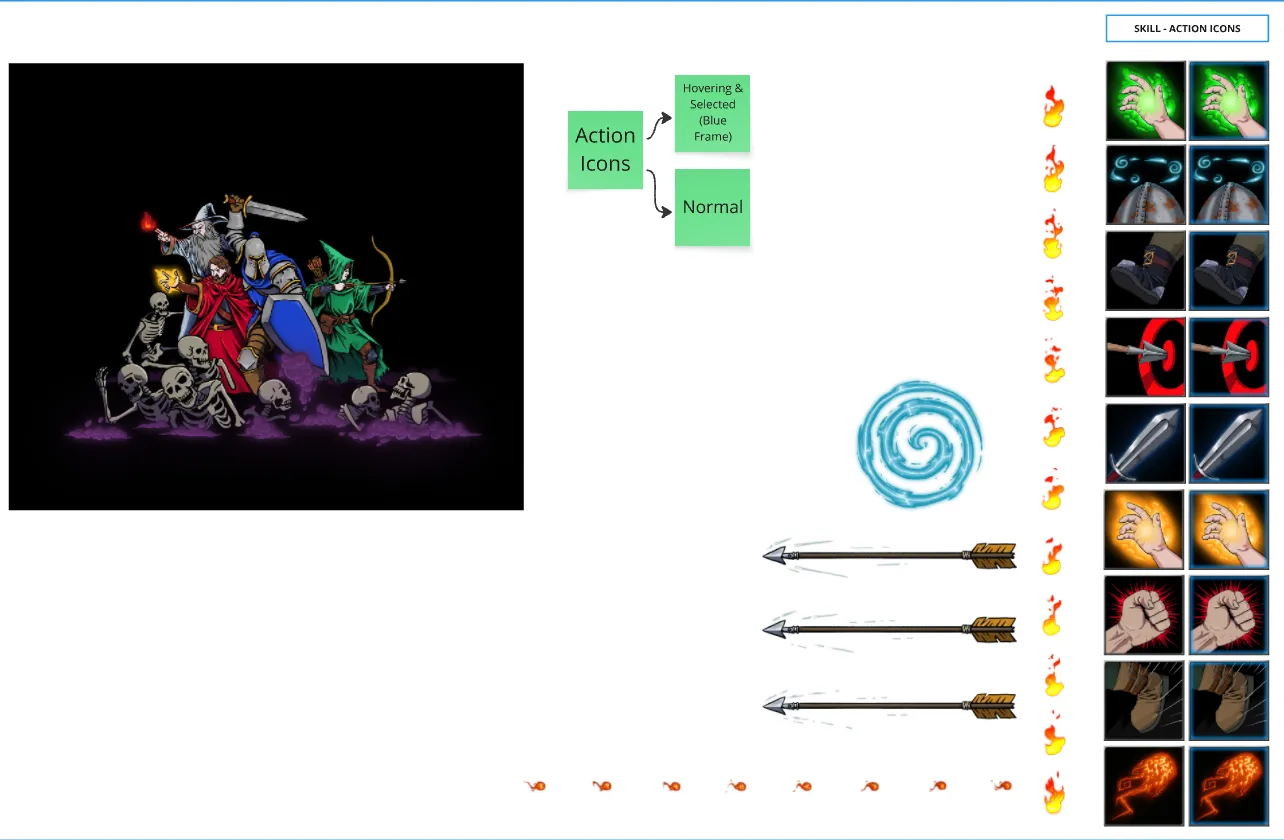
ICONS & GRAPHICS: Icons and capsule art designed for the game
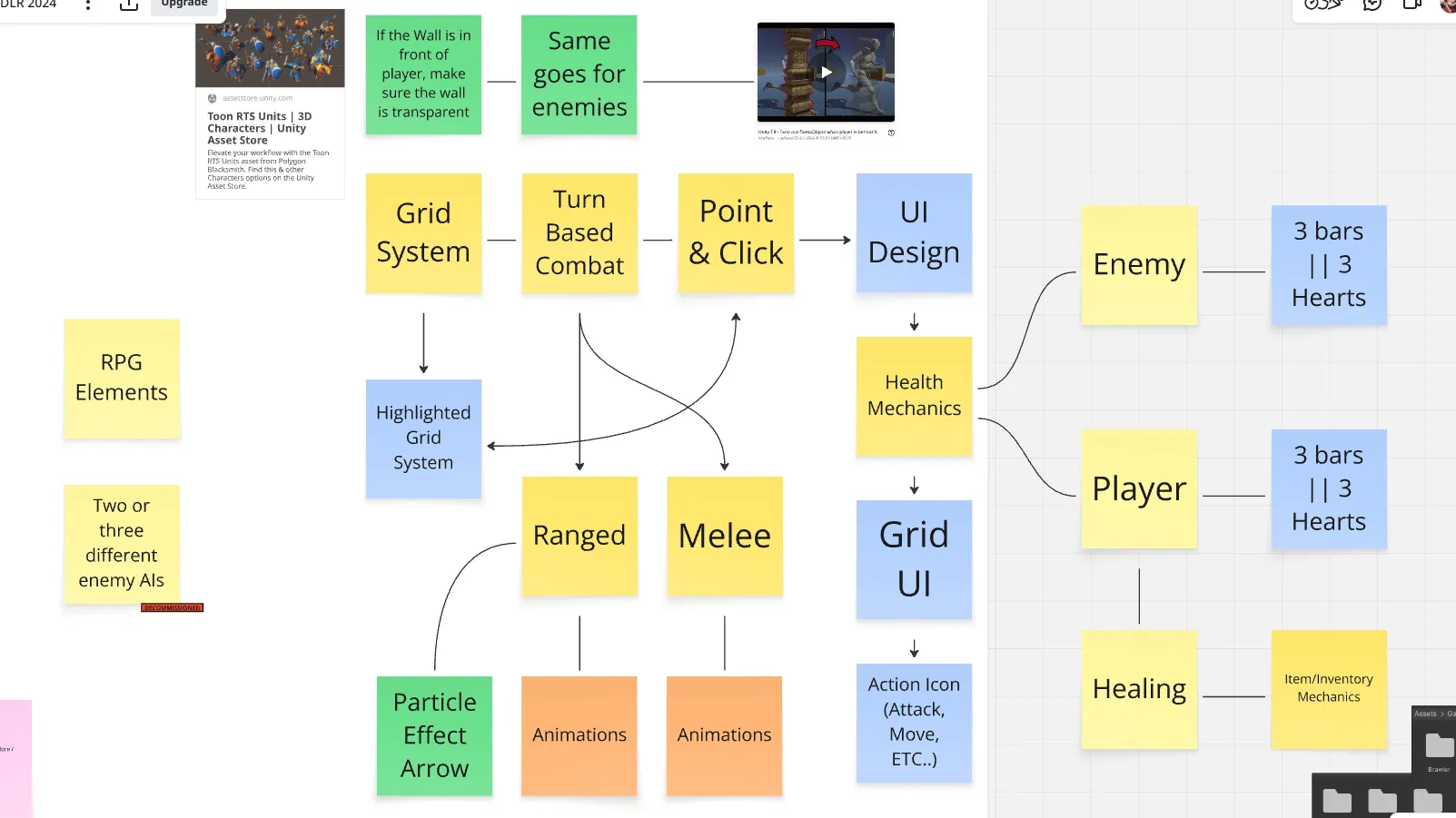
SYSTEM MAPPING: Mapping out the mechanics and systems needed for the game for scaling
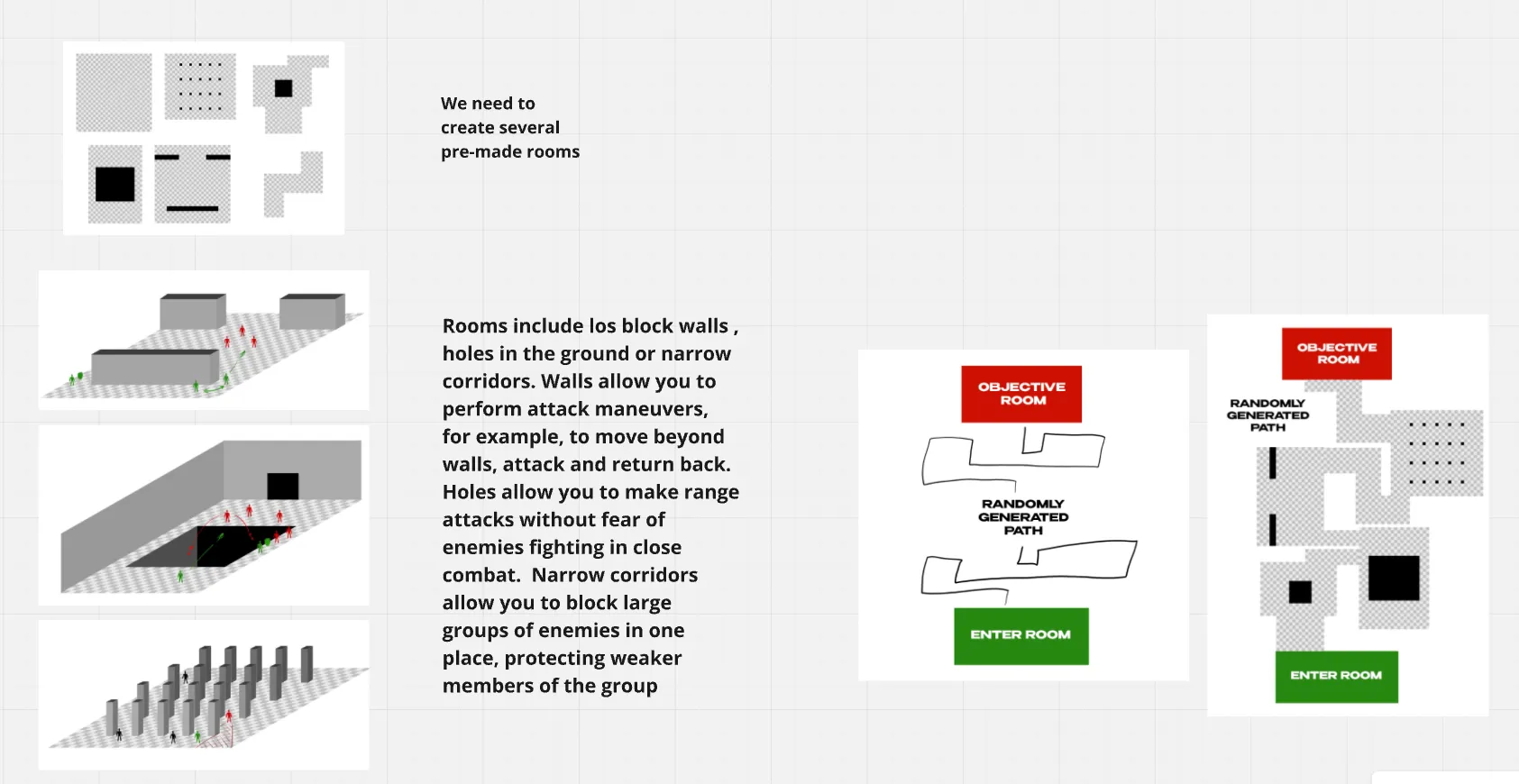
LEVEL DESIGN IDEATION: We have ideated several different ways to deliver a level
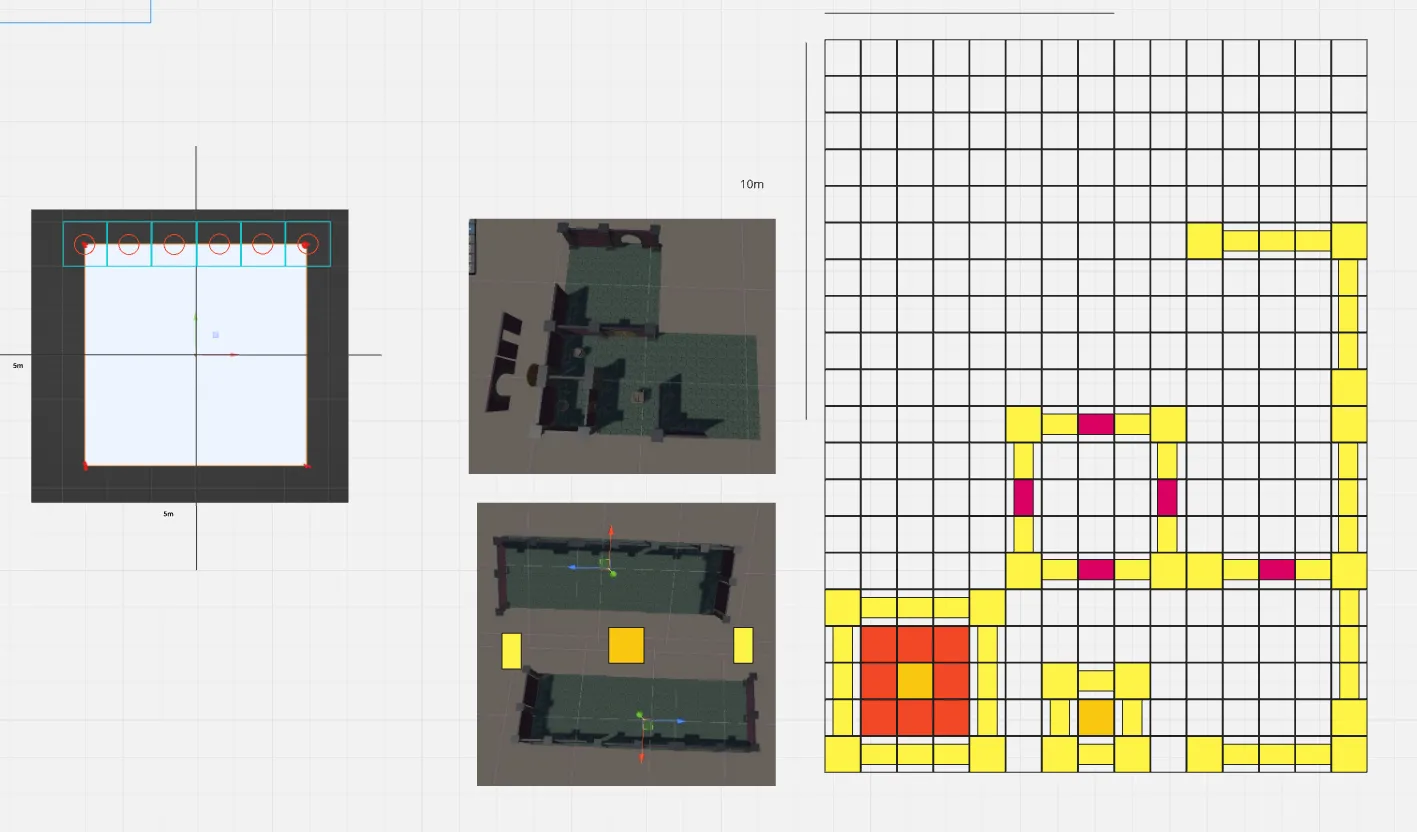
MODULAR MAP ASSET BRAINSTORMING: Brainstorming for the map assets and how they should be aligned and designed
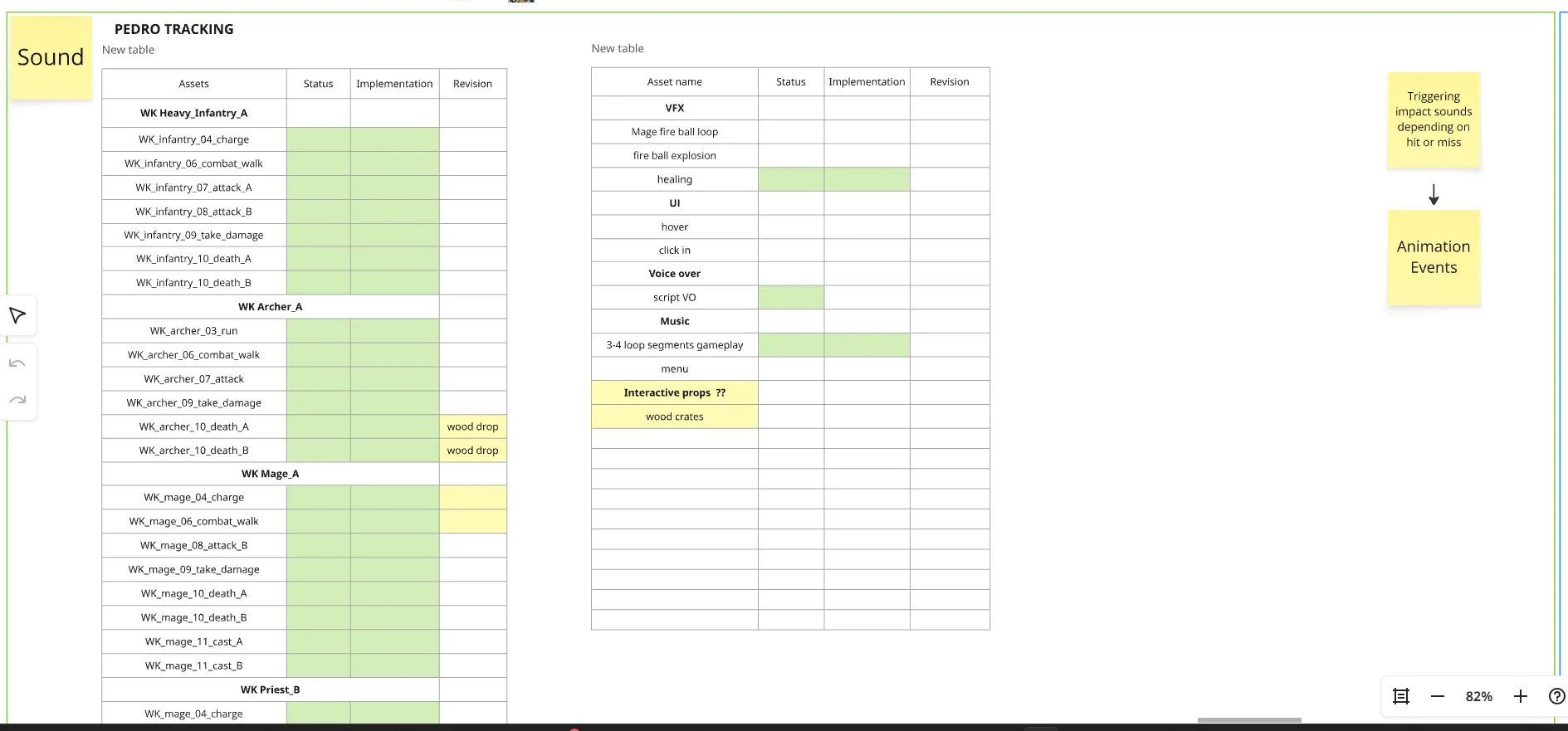
TRACKING: Sound design progress tracking
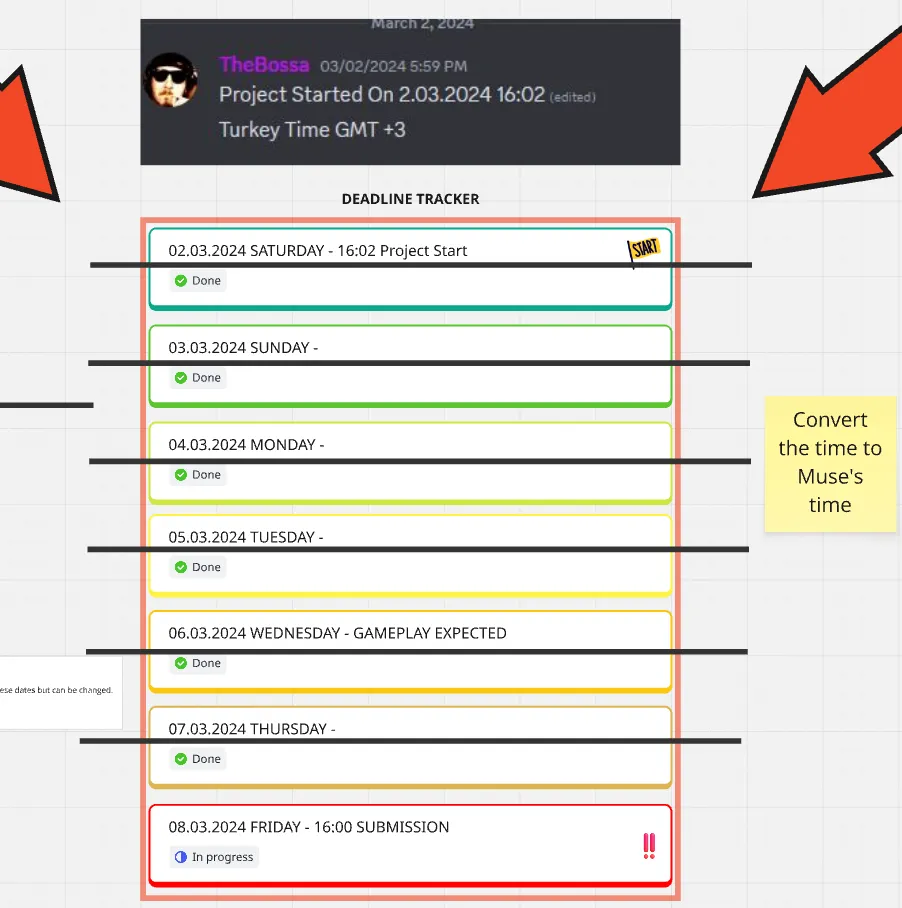
TRACKING: Daily tasks tracking
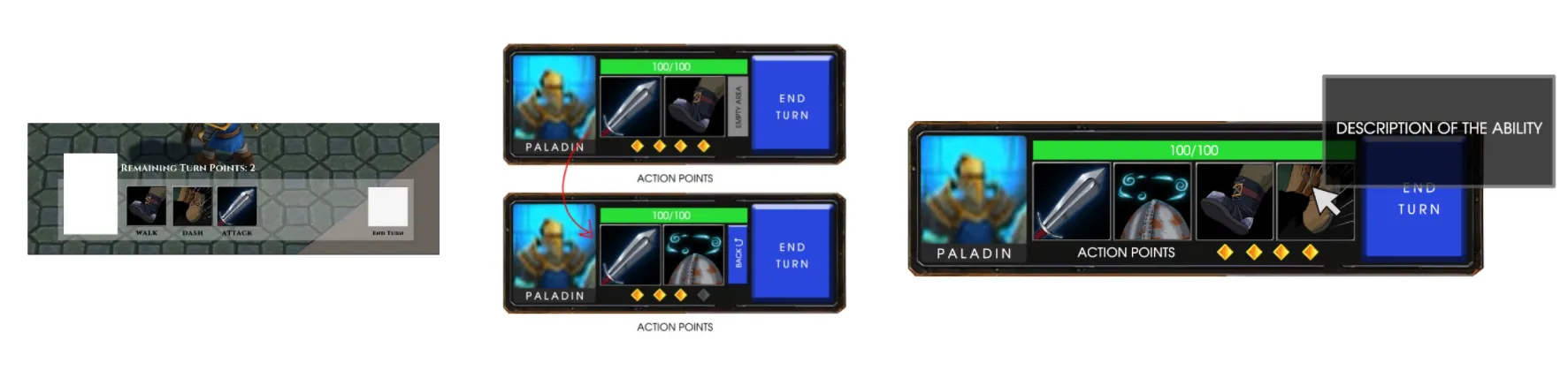
UI DESIGN: Finalising the UI
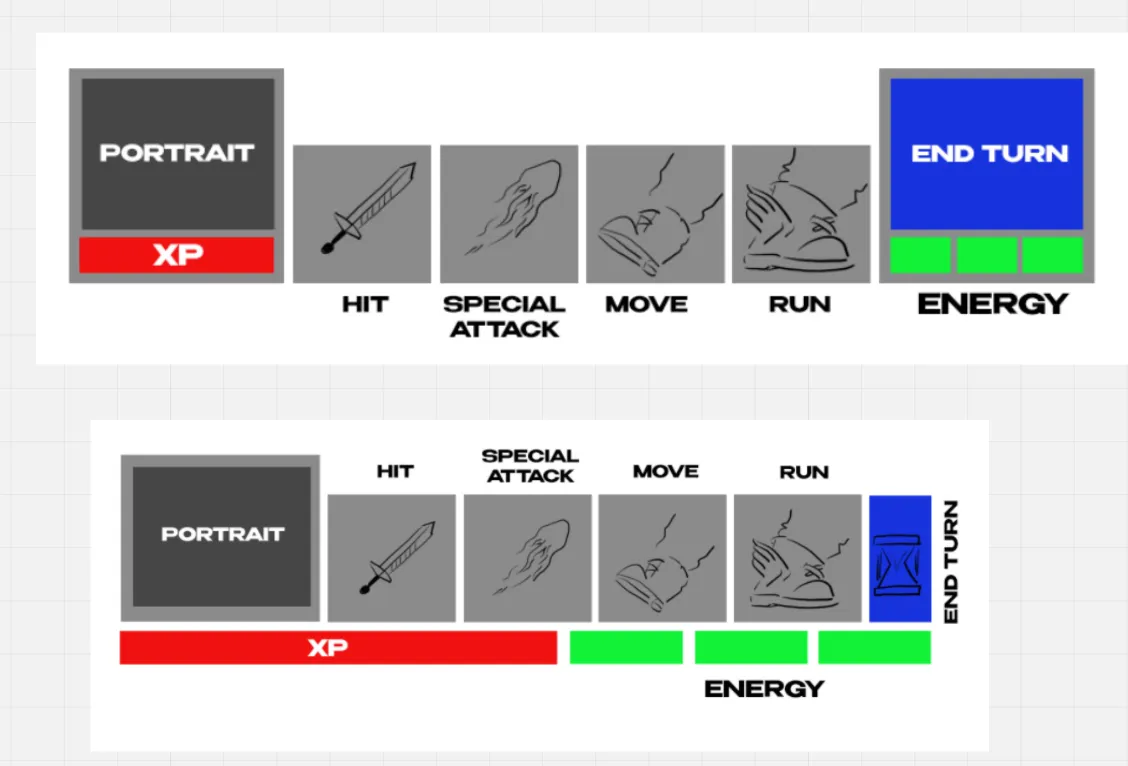
IDEATING UI: Ideating on the UI design